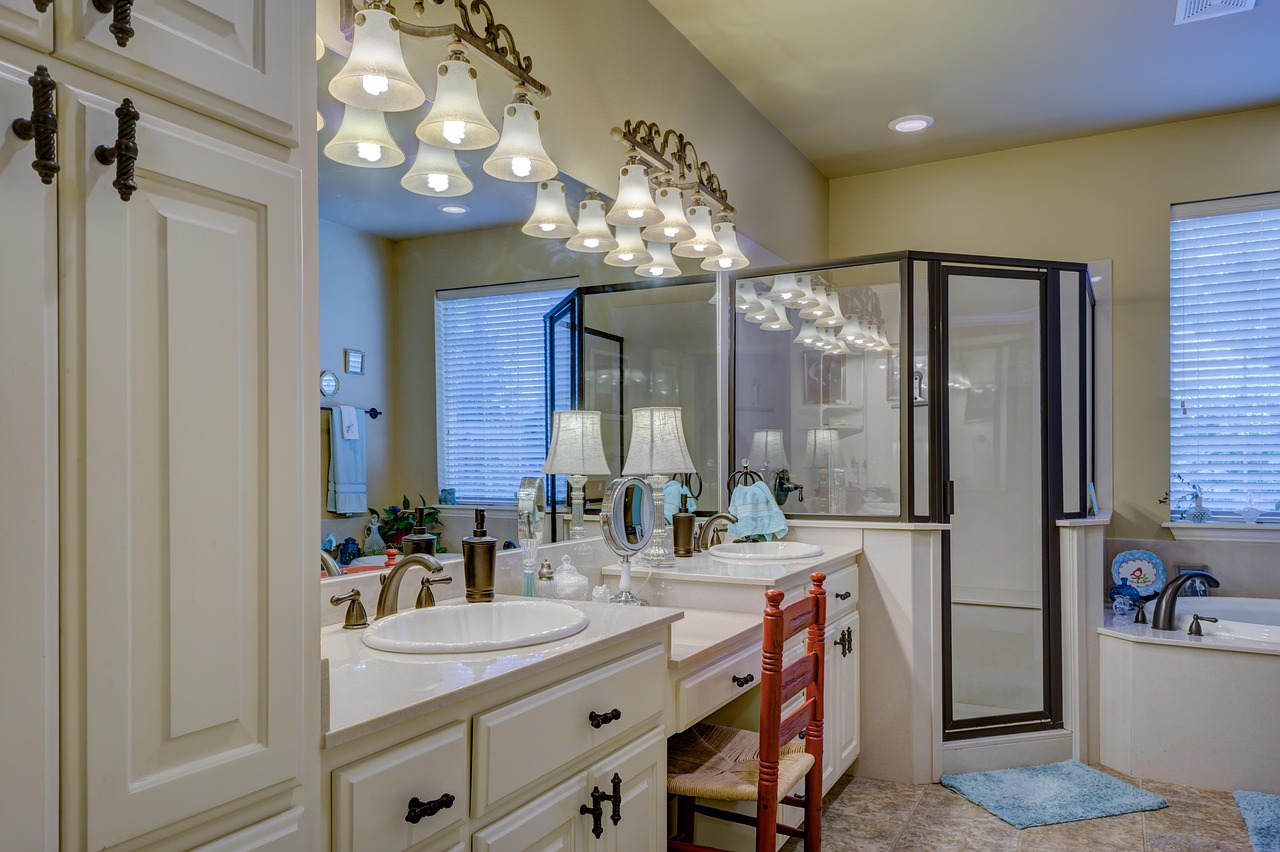
Bathtub installation in Pomona, CA replaces chipped, stained, leaking or uncomfortable tubs with new tubs that suit the bathroom and the household. It’s for Pomona homeowners with worn cast-iron or steel tubs in older houses, cracked acrylic tubs in newer homes, or anyone who needs a tub that’s easier to get in and out of. We check the floor and plumbing, set the new tub on a solid base and finish the walls, fixtures and trim. The result is a tub that’s comfortable, watertight and suited to the house.
What Bathtub Installation Includes
- Removing the old tub, which may mean breaking up a heavy cast-iron unit.
- Checking and reinforcing the floor under the tub.
- Replacing old drain and supply lines where needed.
- A new valve and shower diverter if there’s a shower.
- Setting and leveling the tub on a full-contact base.
- A tile or panel surround for alcove tubs.
- Spout, handles, drain and overflow trim.
Reasons to Replace a Tub
- Enamel is worn through or badly stained.
- The tub flexes or has cracked.
- Water stains show on the ceiling below or the floor nearby.
- The drain is slow or leaks.
- It’s too shallow for a comfortable bath.
- Stepping in has become hard for someone in the home.
Why Tubs Wear Out in Pomona Homes
Original cast-iron and steel tubs lose their enamel after decades of cleaning and use. The old drain fittings behind them corrode. In newer homes, acrylic tubs set without full support underneath can flex and crack. Settling floors in older houses can shift a tub enough to break the caulk seal at the wall, letting water reach the subfloor.
Tub Options for Pomona Bathrooms
- Clawfoot tubs that suit Victorian and Craftsman interiors.
- Freestanding soaking tubs for modern primary bathrooms.
- Alcove tubs with a shower, ideal for family hall baths.
- Walk-in tubs with a door and built-in seat.
- Drop-in tubs framed by a tiled platform with a ledge for bath items.
Installation Steps
- Visit and inspect the bathroom, floor and plumbing.
- Select the tub, filler or valve and wall finish.
- Obtain any needed permits.
- Tear out the old tub and correct damage beneath.
- Reinforce and level the floor, then set the tub.
- Connect plumbing and complete the surround.
- Install trim, seal the joints and review the finished tub with you.
What Drives the Price
- Tub type, from standard acrylic to cast iron or clawfoot.
- Floor reinforcement for heavy tubs.
- Pipe replacement in older homes.
- Surround material.
- Fillers and fixtures, especially floor-mounted fillers.
- Getting the tub in and out of the house.
We give an exact price once we’ve seen the bathroom.
Tub, Shower or Both?
If the bathroom is the only one in the house with a tub, keeping one is usually wise for families and resale. If there’s another tub elsewhere, the space may work better as a walk-in shower; see shower remodeling. Many projects also include vanity installation so the room comes together.
Accessibility and Safety Features
A new tub is the right time to add blocking for grab bars, a handheld shower on a slide bar and slip-resistant surfaces. Placing the controls toward the outside edge of the tub lets you start the water without leaning in. These small details make bathing safer for everyone in the home.
Getting a Tub Into an Older House
Narrow halls, tight stair turns and small bathroom doors are common in older Pomona homes. We measure the full route before ordering, and when a one-piece tub won’t fit, we look at models designed for tight access or plan to remove a door or casing temporarily.
Fillers and Faucets for Freestanding Tubs
Freestanding and clawfoot tubs need either a floor-mounted filler, which requires supply lines run up through the floor, or a wall-mounted faucet positioned over the rim. In homes on raised foundations, floor-mounted fillers are usually straightforward because the crawlspace gives access.
Don’t Let a Leaking Tub Wait
Leaks around a tub often show up first as a stain on the ceiling below or a soft spot in the floor. By then, water has been reaching the framing for a while. Replacing the tub and repairing the damage early prevents larger structural repairs.
Related services in Pomona